
There is a corner of Zimbabwe where some of the rarest animals on earth still roam free, where anti-poaching scouts wake before sunrise to patrol the bush, where a children's camp has been quietly shaping young minds for over two decades, building a generation that values the wild world around it.
That corner is Gwayi, located in the Matabeleland North province of Zimbabwe.
The Painted Dog Conservation (PDC) was founded in 1998 with one urgent mission: to stop the extinction of the African wild dog or the painted dog. At the time, Zimbabwe's painted dog population had fallen to around 400 individuals. Today, thanks in large part to PDC's work, that number has significantly grown.
But PDC was never just about the dogs.
Their philosophy from the start was that saving wildlife means investing in the people who live alongside it. Poaching doesn't happen in a vacuum. It happens when communities have few economic alternatives. So, PDC built a model that works for both species and people at the same time.
Today, their teams monitor packs across three major landscapes: Hwange National Park, Mana Pools, and the Mid Zambezi Valley. They collar dogs to track movements in real time. They remove snares from the bush before another animal dies in one. In 2025 alone, PDC's anti-poaching unit and community volunteers retrieved over 4700 snares from the Gwayi area and surrounding buffer zones. Each one removed is a life that doesn't become a statistic.
Beyond anti-poaching, PDC runs a Rehabilitation Facility that treats injured and orphaned dogs before releasing them back into the wild. They host an annual Children's Bush Camp; since 2003, over 15,000 children have experienced it. They run conservation clubs in local schools, community gardens, and collaborative art programmes. At their Iganyana Arts Centre, local artists transform the snare wire collected by anti-poaching units into striking wire animal sculptures, turning instruments of destruction into something beautiful, and providing income and skills in the process.
The model is clear: when communities benefit from conservation, they become its guardians.
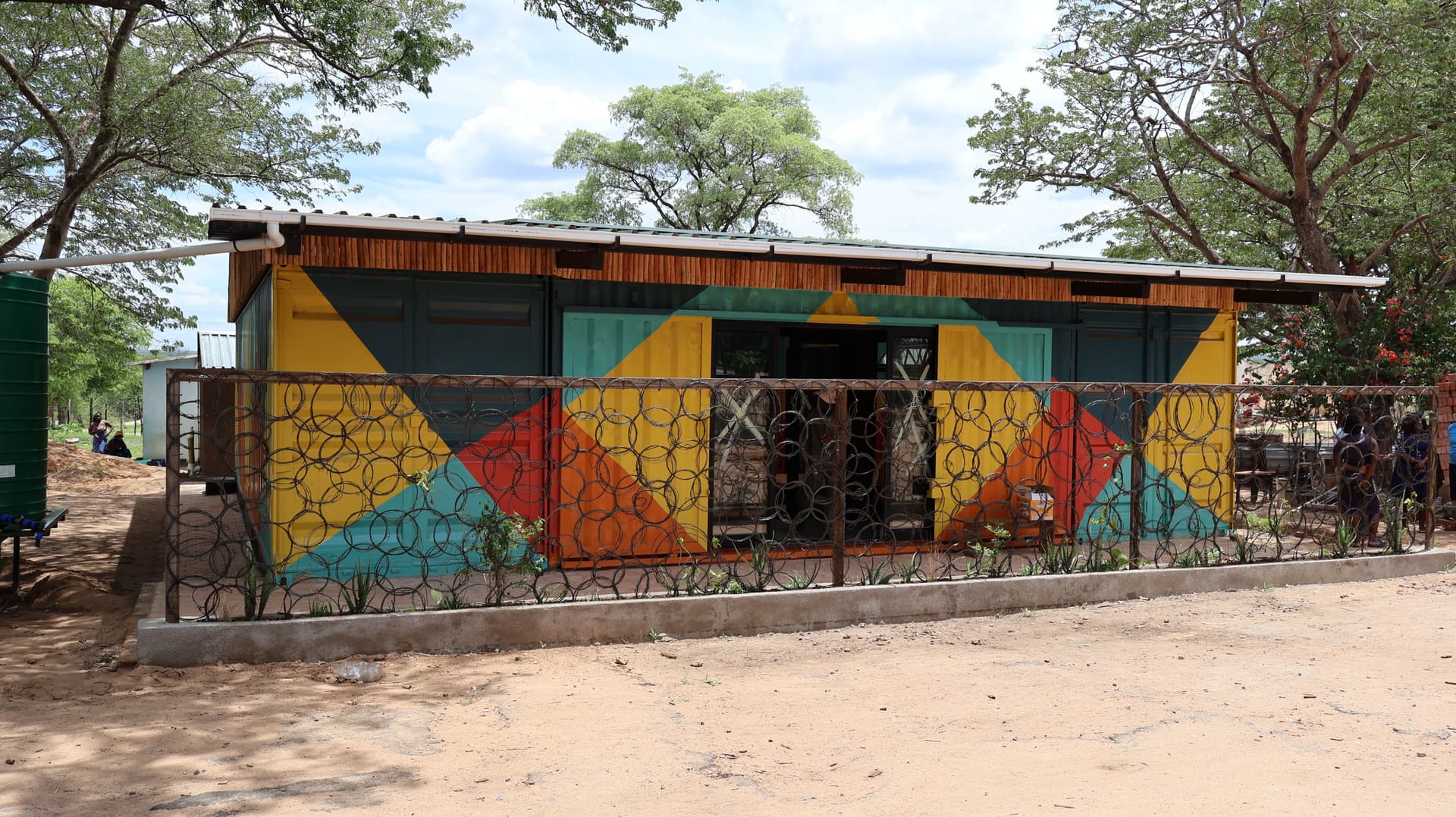
That same philosophy brought PDC and Uncommon together.
Uncommon's mission is to make Zimbabwe the technology capital of Africa through free, full-time tech bootcamps for unemployed young adults, after-school coding programmes for youth, and teacher training programmes for educators at Government schools. Their work has focused primarily on communities that had often been overlooked.
Gwayi was exactly that kind of community. Rich in wildlife, rich in resilience, historically thin on digital opportunity.
The partnership between PDC and Uncommon to build the Gwayi Innovation Hub has brought new opportunities and potential to Gwayi, promising access to free tech education in the heart of one of Zimbabwe's most important conservation landscapes.
Walk into the Gwayi Innovation Hub, and you notice something unusual.
Woven into the design of the space, into the fixtures, the aesthetic, the very fabric of the building, are old snares. Collected over years of anti-poaching patrols. Coiled wire that once threatened the lives of painted dogs and other wildlife is now repurposed as a design feature inside a building dedicated to building futures.
It is not a subtle message. It is an intentional one.
Every student who walks through the door sees those snares. They are a reminder that this community has fought hard to protect what it has. That conservation is not someone else's job. That the same instinct that drives PDC's scouts into the bush before dawn, the belief that something precious is worth protecting, applies equally to the potential of young people in Gwayi.
When Uncommon launched its 2025 Tech Bootcamp, four young people from Gwayi enrolled. They made the journey out. They completed the training. They earned their place.
Three of them came back.
Not as graduates looking for work, but as instructors. They now lead the Gwayi hub's training programme, bringing everything they learned back to the community they came from.
That is not a small thing. That is exactly how lasting change happens.
PDC and Uncommon approach their work differently. One works in the bush; the other works in classrooms. One protects endangered animals; the other builds digital careers.
But they share the same conviction: that communities like Gwayi deserve more. That investment - real, sustained human investment - changes the trajectory of a place.
A painted dog population that has grown because people refused to give up on it. Three young people who became instructors and will now educate scores of their community members, because someone gave them a chance.
Painted Dog Conservation depends on donors and supporters to continue its anti-poaching operations, rehabilitation work, and community education programmes across Zimbabwe. If their work moves you, you can support them directly at painteddog.org/donate.
Uncommon.org relies on partnerships, donations, and laptops to keep its bootcamp free and accessible to young Zimbabweans who need it most. To support the expansion of hubs like Gwayi, or to find out how your organisation can partner with us, visit uncommon.org/get-involved
Two organisations. Two missions. One community that deserves both.
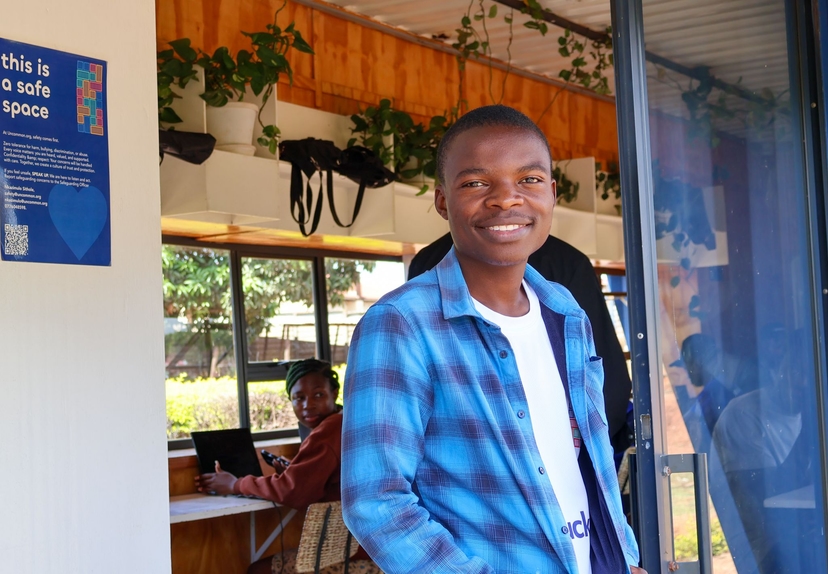
In 2024, I spent most of my days at a musika (small fruit and veggie stall) in Budiriro, s...
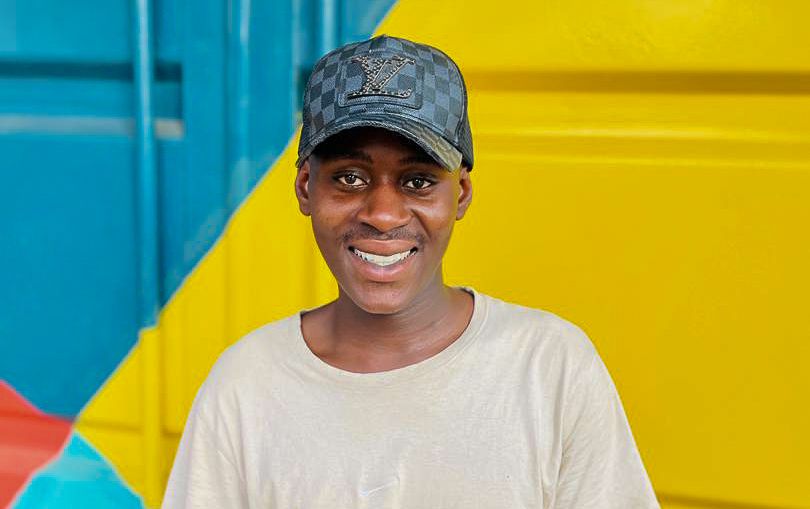
Mpumelelo is twenty-six years old and, until earlier this year, had never used a computer.

We sat down with our Country Director, Michelle Gwatiringa and had a conversation about th...