In 2024, I spent most of my days at a musika (small fruit and veggie stall) in Budiriro, sitting with friends, talking about football, life, and mostly money. I was twenty-one years old. None of us had work. The owner of the musika was a friend of ours, and he let us sit there because there was nowhere else to go.
A year earlier, I had been working for a printing company in Highfield. When that job ended in March 2024, I went home and stayed home, not because that’s what I wanted, but because I had no option. I had known what it felt like to bring money in, to help my family, to be useful. Losing that ability weighed on me in a way I find hard to describe. I started doing whatever piece jobs I could find. Some days we fetched water for residents in Budiriro. Other days, we used handcarts to move LP gas cylinders from the industrial areas for local retailers. We took whatever came our way. The problem was that the work was never consistent. Some days there was something. For many days, there was nothing.
I was living with my parents. Nobody in our household had a decent job. By the grace of God, we survived.
Then one day my mother said something that changed everything.
She looked at me and said, "Roy, I want you to be something in life. I want you to have a decent job, not what you are doing right now."
Those words stayed with me.
I had heard about Uncommon.org two months earlier. One of their instructors used to live in our area, and he had told my brother Brian about the program. When Brian told me, I didn't trust it. The fact that it was free made me suspicious. I had spent enough days walking around Harare CBD looking for work to know that anything that sounded too good to be true usually was. We came across scams all the time. "Work for one hour and earn $40." Some people responded to those offers and got robbed. I had lost trust in opportunity itself.
For two months, I didn't apply.
But that day, after what my mother said, I printed my CV and my cover letter and went to Gwinyiro Primary School in Mufakose, where the Uncommon hub was located.
As soon as I walked into the room, I felt intimidated. I saw students working on computers, opening Visual Studio Code, writing lines of code I didn't understand. I was dressed casually because I hadn't planned for an interview, and I felt out of place. I looked around and asked myself, "Am I really going to do this?"
The instructors welcomed me warmly and explained the program. Then they mentioned something that sounded impossible. Every student would receive a free computer.
I almost laughed.
After everything I had seen and experienced, I couldn't believe it. Like Thomas in the Bible, I needed to see it before I could believe it.
I had always thought a program like this would feel like high school. To my surprise, it felt more like university. And that mattered to me more than I expected. My brother Brian had studied Computer Science at the University of Zimbabwe; he was the first graduate in our family. Walking into that hub made me feel, for the first time, like I might be on his level. For the first time, I could imagine my own future. I could picture inviting my mother to my graduation one day, the way Brian had.
In December 2024, I went for my first interview. I was terrified. I was sure I would fail.
A few days later, I was in a kombi coming home from Mbare when a message came through on my phone. Uncommon had accepted me into the program.
I was so excited I almost asked the driver to stop. But I kept the news to myself, because there was someone else I needed to tell first.
I went straight home and told my mother. She was overjoyed.
In January 2025, I officially began my journey at Uncommon.
One of the first things that happened was that I received the free laptop I had doubted for so long. I remember holding it and thinking, "Wow, this is actually real."
In our first month, we learned how to teach Youth Coding lessons using Scratch and WoofJS. Our Hub Lead, Racheal Bulombe, appointed me Communication Manager for the Mufakose Hub. My job was to track student attendance, organise the Scratch lessons, and keep communication flowing between students and instructors. It was the first leadership role of my life. It taught me responsibility, teamwork, and confidence.
Then, just as we were preparing for the Digital Marketing Crash Course in April, I got seriously ill.
Before I was admitted to hospital, some of my classmates and instructors came to visit me at home. Their support meant a lot. I was eventually diagnosed with severe acid-related complications, but it took the doctors time to identify what was wrong. For almost a month, I couldn't participate in the program. My eyesight had gone bad because of the condition, so I couldn't even look at my learning materials.
During that month, I genuinely thought my journey at Uncommon was over. I asked my mother to speak to my instructors and request that I be allowed to join the following year's cohort. I was so worried about falling behind that I couldn't see another way through.
When I was finally discharged and returned to the hub, specialisation selection had already begun. Students were choosing between Product Design, Software Development, and Digital Marketing. I had completely missed the Digital Marketing Crash Course.
Initially, I only wanted to finish what I had missed and move on. But Racheal encouraged me to keep going and arranged for other students to help me catch up. As I worked through the material, my passion for marketing grew.
Then I made a decision that surprised everyone, including myself.
I chose Digital Marketing as my specialisation, the one course I had missed.
The funny thing was that I was the only male in a class of ten. Many people joked about it. Some said marketing was a course for women. Others told me that "real men do software development." I heard all kinds of comments. None of them bothered me. The jokes went in one ear and out the other. I had found something I genuinely enjoyed.
As time went on, I started helping other students with concepts they were struggling with. One day, after seeing how much I had improved, Racheal looked at me and said, "You are teaching us now, yet you were the one who was left behind."
Then she laughed and gave me a nickname I will never forget.
Baba veMarketing ("The Father of Digital Marketing.")
Racheal was more than an instructor to me. During that period, she felt like a mother. She cared deeply about my success, and she pushed me. She would deliberately give me difficult tasks that forced me to research and learn beyond what was taught in class. I remember one project in particular. After reviewing my work, she asked me who had helped me complete it. When I told her I had done it by myself, she smiled, gave me a few corrections, and told me to keep improving.
That was the moment I realised I had caught up.
Graduation day was one of the happiest days of my life.
I never imagined that I would wear formal clothes, stand in front of an audience, and be celebrated by my family. My mother was there. Brian was there too. As I sat waiting for my name to be called, I reflected on my journey.
I thought about the streets. I thought about fetching water. I thought about sitting at the musika wondering what my future would look like. I thought about leaving school with only Ordinary Level qualifications and no clear direction. Now I was graduating as a Digital Marketing professional.
My mother had bought me an outfit specifically for the day. Seeing how proud she was made me happier than receiving the certificate itself.
When it was finally time to walk across the stage, I couldn't hold back my emotions. People often say that men don't cry, but I couldn't stop myself. Together with Brian, I celebrated by doing Stephen Curry's famous "night-night" celebration.
On 12 December 2025, I came home as a graduate.
One week later, another surprise arrived.
Uncommon Headquarters called me and asked me to interview for an instructor position.
I was shocked, excited, and nervous all at once. The interview went well, and in March 2026 I officially began working as an instructor.
In May, I taught my first Digital Marketing Crash Course. On that first day, I leaned heavily on Racheal's teaching methods because I was still finding my own. Over time, I have started introducing my own ideas. They are working well.
The hardest part of teaching is that students expect you to have all the answers. It forces me to keep learning every single day.
Whenever I teach, I want my students to leave with confidence and courage. Most of all, I want them to understand that procrastination destroys opportunities. If you want to start a project, start today. If you want to take a course, begin now.
If Brian had never told me about Uncommon.org, I honestly believe I would still be where I was in 2024, unemployed, frustrated, sitting at the musika with no direction.
Today, my life is completely different.
Roy is one of the graduates from Uncommon's twelve-month technology bootcamp, and one of a small number who have returned to the program as full-time instructors. At our Kambuzuma hub, he now teaches the same Digital Marketing Crash Course he once missed from a hospital bed to students whose journeys are starting where his started.
Roy's story is not unusual at Uncommon. Across our Innovation Hubs in Harare, Bulawayo, Chitungwiza, Victoria Falls, and Gwayi, young people are walking through doors they once thought were closed to them. Some are learning to code for the first time. Some are teaching what they have just learned. Some, like Roy, are doing both.
What makes that possible is people like you.
A donation to Uncommon funds free laptops for students who have never owned a computer, twelve months of bootcamp instruction, professional mentorship, and the long tail of support our graduates need to land their first jobs in technology. It also funds the salaries of instructors like Roy, graduates who choose to come back and teach the next cohort.
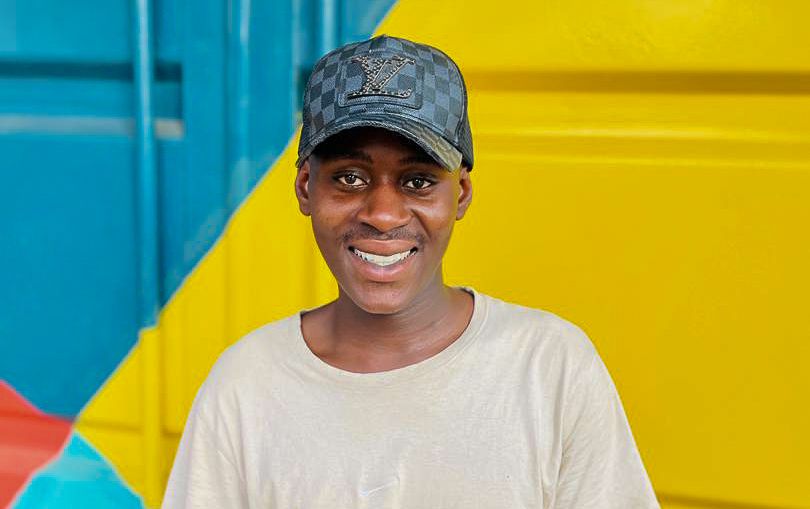
Mpumelelo is twenty-six years old and, until earlier this year, had never used a computer.
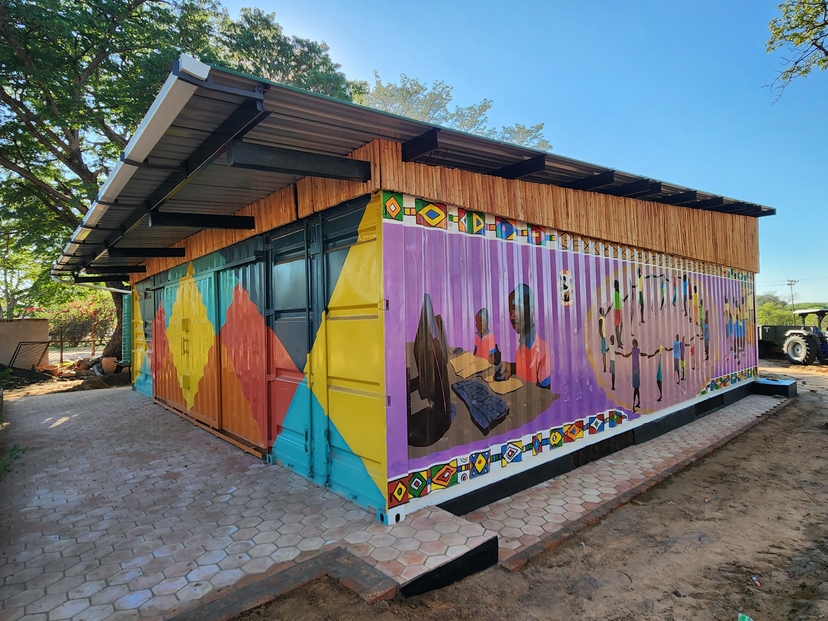
The Painted Dog Conservation (PDC) was founded in 1998 with one urgent mission: to stop th...
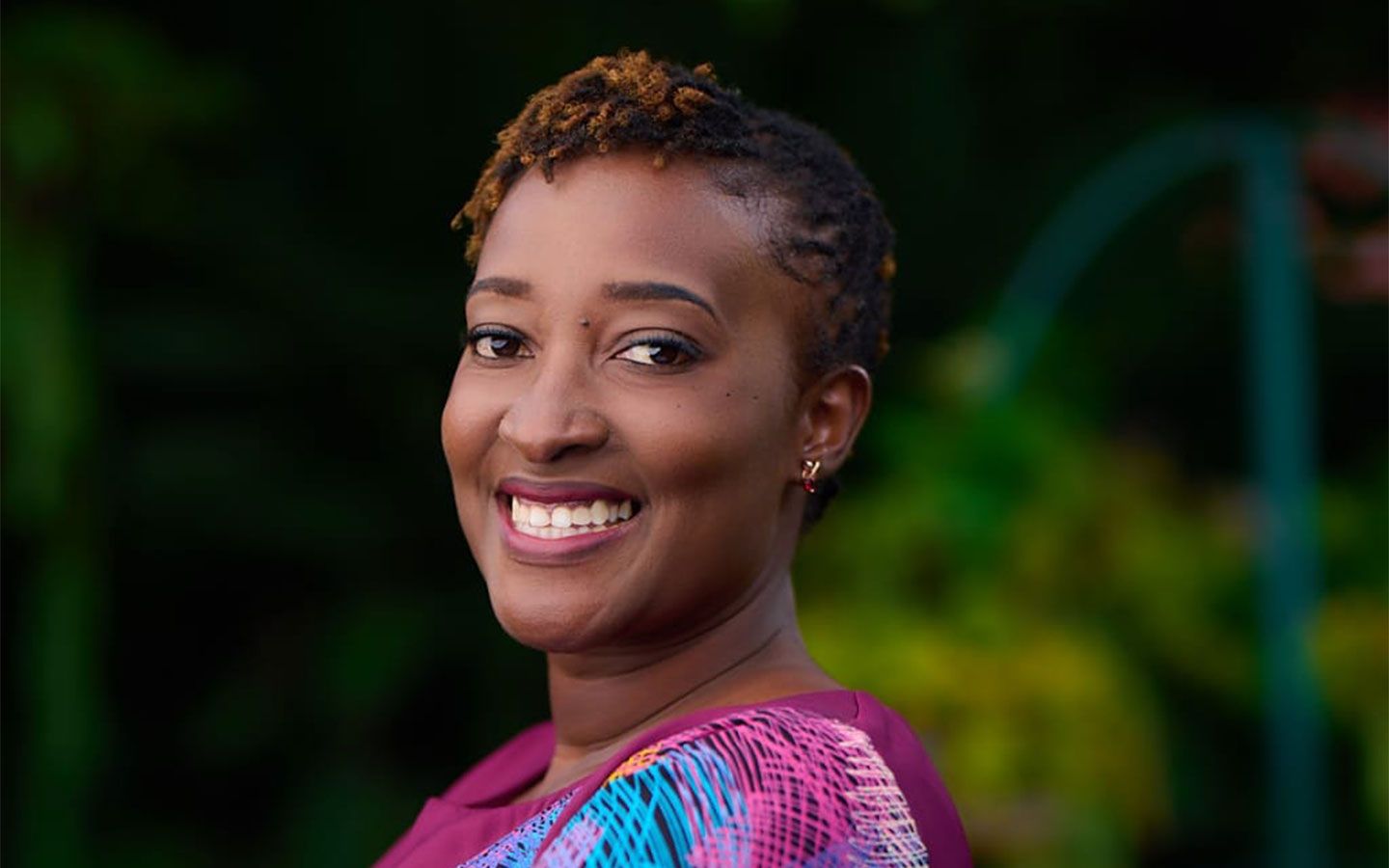
We sat down with our Country Director, Michelle Gwatiringa and had a conversation about th...